
Atlanta's Reliable Ice Machine Repair and Troubleshooting
June 2, 2026

Ice machines are essential equipment for many businesses, including restaurants, grocery stores, and coffee shops. Their proper functioning ensures a steady supply of ice, which is critical for food safety, customer satisfaction, and operational efficiency. In the Southeastern United States, particularly in Atlanta, maintaining these machines requires expert knowledge and timely service. This article provides a comprehensive overview of ice machine troubleshooting and repair, emphasizing the importance of professional maintenance and the availability of ice machines suitable for all budgets.
Understanding Ice Machine Troubleshooting
Ice machine troubleshooting involves identifying and resolving issues that affect the machine's performance. Common problems include insufficient ice production, poor ice quality, unusual noises, and water leakage. Each symptom can indicate different underlying causes, such as clogged filters, faulty compressors, or electrical malfunctions.
To begin troubleshooting, it is essential to perform a systematic inspection of the machine. This includes checking the water supply, cleaning the condenser coils, and verifying the thermostat settings. For example, if the ice machine produces small or misshapen ice cubes, the water filter may be clogged, or the water temperature may be too high. Cleaning or replacing the filter and ensuring proper water temperature can often resolve this issue.
Regular maintenance is a critical preventive measure. It involves scheduled cleaning, sanitizing, and inspection of components to avoid breakdowns. Businesses are encouraged to keep a maintenance log to track service dates and any recurring problems. This practice supports early detection and reduces downtime.
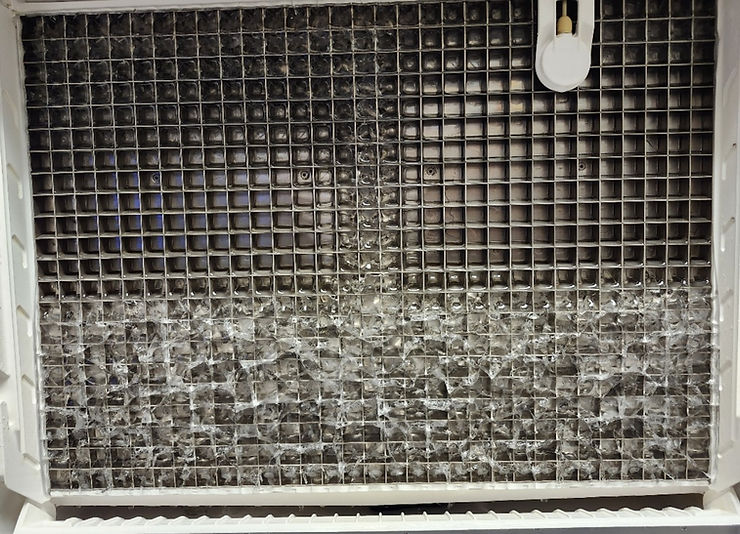
Failed Refrigeration Components Causing Wrong Ice formation
Common Ice Machine Issues and Their Solutions
Several issues frequently arise in commercial ice machines. Understanding these problems and their solutions can help businesses maintain continuous operation.
- No Ice Production
This issue may result from a lack of water supply, a malfunctioning water inlet valve, or a defective compressor. Checking the water line for blockages and ensuring the valve operates correctly is the first step. If the compressor is faulty, professional repair or replacement is necessary.
- Ice Machine Produces Water Instead of Ice
This symptom often indicates a problem with the refrigeration cycle. Low refrigerant levels or a broken thermostat can cause the machine to fail in freezing water. A certified technician should handle refrigerant recharging and thermostat replacement.
- Ice Cubes Are Cloudy or Have an Unpleasant Taste
Water quality and cleanliness of the machine affect ice clarity and taste. Installing a water filtration system and performing regular cleaning can improve ice quality significantly.
- Machine Makes Loud or Unusual Noises
Noises may stem from worn-out fans, loose components, or failing motors. Identifying the noise source requires technical expertise, and repairs should be conducted promptly to prevent further damage.
- Water Leakage Around the Machine
Leaks can be caused by cracked water lines, faulty drain pumps, or improper installation. Inspecting hoses and connections and replacing damaged parts will resolve leakage issues.
For persistent or complex problems, it is advisable to seek professional assistance. Attempting repairs without adequate knowledge can lead to further damage and increased costs.
Ice Machine Maintenance Best Practices
Proper maintenance extends the lifespan of ice machines and ensures compliance with health regulations. The following best practices are recommended:
-
Regular Cleaning and Sanitizing: Ice machines should be cleaned at least every six months. This includes removing mineral deposits, mold, and bacteria that can accumulate inside the machine.
-
Water Filter Replacement: Filters should be replaced according to manufacturer guidelines or more frequently in areas with hard water.
-
Inspection of Electrical Components: Regular checks of wiring, switches, and control boards help prevent electrical failures.
-
Monitoring Ice Production: Keeping track of ice output can indicate when maintenance or repairs are needed.
-
Professional Service Contracts: Engaging with a reliable service provider ensures scheduled maintenance and rapid response to emergencies.
Implementing these practices reduces the risk of unexpected breakdowns and maintains optimal machine performance.

Frozen up ice machine from improper maintenance
Availability of Ice Machines for All Budgets
In addition to repair and maintenance services, businesses in Atlanta and the Southeast can acquire ice machines tailored to their specific needs and financial constraints. Options range from compact under-counter units suitable for small coffee shops to large modular systems designed for high-volume restaurants and grocery stores.
When selecting an ice machine, factors such as production capacity, energy efficiency, and ease of maintenance should be considered. It is advisable to consult with experts who can recommend models that align with operational requirements and budget limitations.
Offering a variety of machines ensures that all businesses, regardless of size or budget, have access to reliable ice production solutions. This approach supports continuous operation and compliance with industry standards.
Partnering with Trusted Ice Machine Service Providers
Reliable service providers play a crucial role in maintaining ice machine functionality. Businesses are encouraged to collaborate with companies that offer comprehensive services, including installation, repair, maintenance, and equipment supply.
For example, commercial ice machine repair atlanta services are available to address urgent repairs and routine maintenance needs. These providers employ certified technicians with specialized training in ice machine systems and water filtration.
Choosing a trusted partner ensures that equipment remains compliant with health codes and operates efficiently. Additionally, professional service agreements can provide cost savings through preventive care and reduced downtime.
Ensuring Long-Term Equipment Reliability
Sustaining the performance of ice machines requires a proactive approach. Businesses should prioritize:
-
Routine Inspections: Scheduled evaluations help identify potential issues before they escalate.
-
Timely Repairs: Addressing problems promptly prevents extensive damage.
-
Upgrading Equipment: Replacing outdated machines with modern, energy-efficient models can improve reliability and reduce operating costs.
-
Training Staff: Educating employees on proper machine use and basic troubleshooting enhances daily operation.
By adopting these strategies, businesses can secure a dependable ice supply, supporting their overall service quality and customer satisfaction.
This detailed overview of ice machine troubleshooting and repair highlights the importance of expert care and the availability of equipment suited to diverse business needs. Maintaining ice machines through professional services and informed practices ensures operational continuity and compliance with industry standards.
Efficient Commercial Ice Machine Repairs and Servicing in Atlanta
Reliable Local Ice Machine Repair Services Near You
Ice Machine Leasing in Miami: Practical Solutions for Every Business
Chat with AI
[title]
[banner]
[message]