How Preventive Maintenance Saves Costs
October 30, 2025

Effective maintenance is essential for ensuring the longevity and reliability of equipment in various commercial settings. Businesses such as restaurants, grocery stores, and coffee shops rely heavily on their ice machines and water filtration systems to maintain operational efficiency and compliance with health standards. This maintenance strategies guide aims to provide a comprehensive overview of how preventive maintenance can be implemented to optimize equipment performance and reduce downtime.
Understanding the Maintenance Strategies Guide
Maintenance strategies encompass a range of planned activities designed to preserve equipment functionality and prevent unexpected failures. The guide focuses on systematic approaches that prioritize regular inspections, timely repairs, and component replacements before issues escalate. This proactive stance is particularly critical for equipment that operates continuously or under demanding conditions, such as ice machines and water filtration units.
A well-structured maintenance plan includes:
-
Scheduled inspections based on manufacturer recommendations
-
Routine cleaning and sanitization procedures
-
Monitoring of performance indicators such as temperature, pressure, and flow rates
-
Documentation of maintenance activities and findings
-
Training of personnel responsible for equipment upkeep
Implementing these elements ensures that equipment remains compliant with regulatory standards and operates at peak efficiency, thereby minimizing operational disruptions.
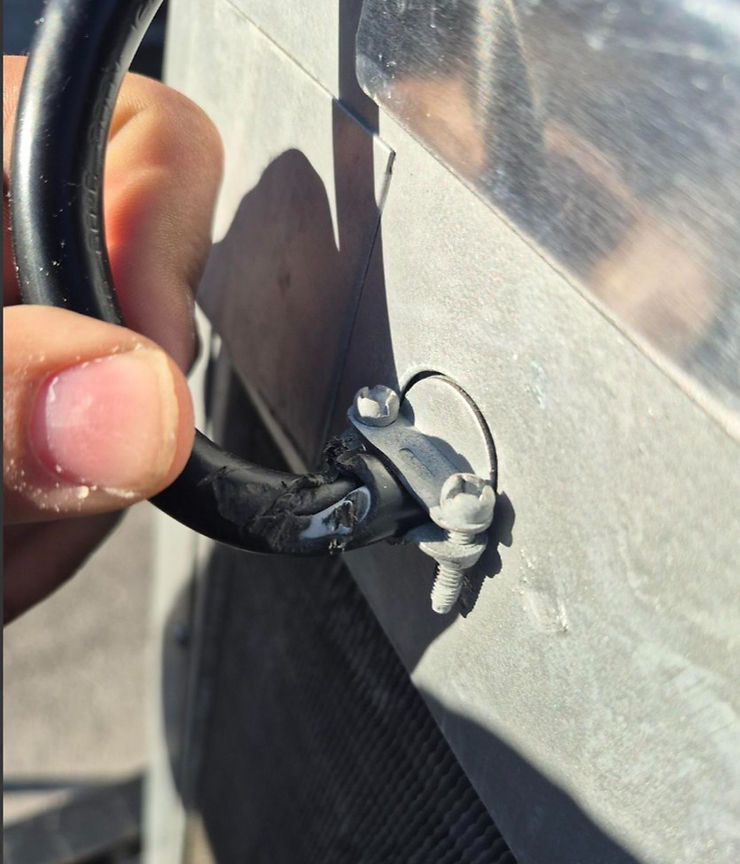
Cut wire found during PM
What is a preventive maintenance strategy?
A preventive maintenance strategy is a systematic approach to maintaining equipment by performing scheduled maintenance tasks at predetermined intervals. This method contrasts with reactive maintenance, which addresses issues only after a failure occurs. The primary objective of preventive maintenance is to reduce the likelihood of equipment breakdowns and extend the service life of assets.
Preventive maintenance involves:
-
Regularly scheduled inspections and servicing
-
Replacement of worn or aging components before failure
-
Calibration and adjustment of equipment settings
-
Cleaning to prevent contamination and buildup
For example, in ice machines, preventive maintenance may include cleaning evaporator plates, checking refrigerant levels, and sanitizing water lines. These actions prevent ice contamination and mechanical failures, ensuring consistent ice production.
The benefits of adopting a preventive maintenance strategy include:
-
Reduced emergency repair costs
-
Eliminate Ice Machine Freeze Ups
-
Enhanced safety and compliance with health regulations
-
Improved energy efficiency and operational performance
By integrating these practices, businesses can maintain a steady supply of ice and clean water, which are critical to their daily operations.
Key Components of an Effective Maintenance Program
An effective maintenance program is built upon several core components that collectively ensure equipment reliability and compliance. These components include:
1. Scheduled Maintenance Intervals
Maintenance tasks should be scheduled based on manufacturer guidelines, equipment usage, and environmental conditions. For instance, ice machines in high-demand settings may require more frequent servicing than those in lower-use environments.
2. Comprehensive Inspections
Inspections should cover all critical components, including mechanical parts, electrical connections, and water filtration systems. Identifying early signs of wear or malfunction allows for timely intervention.
3. Documentation and Record-Keeping
Maintaining detailed records of maintenance activities, inspections, and repairs facilitates trend analysis and regulatory compliance. Documentation also supports warranty claims and service audits.
4. Staff Training and Accountability
Personnel responsible for maintenance should receive proper training to perform tasks accurately and safely. Clear assignment of responsibilities ensures accountability and consistency.
5. Use of Quality Replacement Parts
Utilizing manufacturer-approved or high-quality replacement parts prevents premature failures and maintains equipment integrity.
6. Integration of Technology
Employing maintenance management software or digital checklists can streamline scheduling, tracking, and reporting processes.
These components collectively contribute to a robust maintenance framework that supports operational continuity.

Freeze Up Caused by lack of Maintenance
Practical Recommendations for Ice Machine and Water Filtration Maintenance
Given the critical role of ice machines and water filtration systems in foodservice and retail environments, specific maintenance practices are recommended:
- Ice Machine Maintenance:
- Clean and sanitize ice storage bins and evaporator plates monthly.
- Inspect and replace water filters every 6 months or as recommended.
- Check refrigerant levels and compressor function quarterly.
- Remove scale buildup using manufacturer-approved descaling agents.
- Verify proper drainage to prevent water stagnation.
- Water Filtration System Maintenance:
- Replace filter cartridges according to water quality and usage rates.
- Inspect housing units for leaks or cracks during each service visit.
- Flush systems to remove trapped contaminants.
- Test water quality periodically to ensure filtration effectiveness.
Adhering to these recommendations reduces the risk of contamination, equipment failure, and regulatory non-compliance.
Leveraging Preventive Maintenance Strategies for Business Success
The implementation of preventive maintenance strategies is instrumental in achieving operational excellence. By proactively managing equipment health, businesses can avoid costly downtime and maintain consistent service quality. This approach aligns with the goals of Oasis Preferred Maintenance Inc. (OPM), which strives to be the leading provider of ice machine and water filtration services throughout the Southeastern United States.
OPM offers tailored maintenance plans that accommodate various budgets and operational scales. These plans include routine inspections, emergency repairs, and equipment upgrades, ensuring that clients receive comprehensive support. Additionally, OPM provides a range of ice machines suitable for different business needs, from compact units for small coffee shops to high-capacity machines for large grocery stores.
By partnering with a trusted maintenance provider, businesses can focus on their core operations while ensuring that critical equipment remains reliable and compliant.
Enhancing Equipment Longevity Through Proactive Care
Proactive maintenance extends beyond routine servicing to include strategic planning and continuous improvement. Businesses are encouraged to:
-
Conduct periodic reviews of maintenance effectiveness
-
Adjust maintenance schedules based on equipment performance data
-
Invest in staff training and certification programs
-
Explore technological advancements such as remote monitoring systems
These measures contribute to sustained equipment performance and cost savings over time.
In summary, the adoption of a structured maintenance strategies guide, supported by expert service providers, is essential for maintaining the reliability and compliance of ice machines and water filtration systems. This approach ensures that businesses can meet operational demands efficiently and maintain high standards of quality and safety.
Efficient Commercial Ice Machine Repairs and Servicing in Atlanta
Reliable Local Ice Machine Repair Services Near You
Ice Machine Leasing in Miami: Practical Solutions for Every Business